
عقیدہ ناموس رسالت ﷺیہ ہے کہ جو شخص حضور نبی اکرم ﷺ کی نبوت و رسالت اور آپکی ختم نبوت پر اعتقاد رکھتا ہو، قرآن کریم کو اللہ تعالیٰ کی نازل کردہ آخری کتاب مانے ، اللہ تبارک وتعالیٰ کی وحدانیت پر بھی ایمان لائے اور تمام اسلامی عقائد کو دل سے تسلیم کرتا ہو لیکن صرف حضور نبی اکرم ﷺ کی تعظیم وتکریم پر ایمان نہ رکھے اور اسے ضروری نہ سمجھے تو وہ سب باتیں ماننے کے باوجود دائرہ اسلام سے خارج ہے۔ تعظیم و تکریم رسالتمآب ﷺ ضروریات دین میں سے ہے اور آپ ﷺ کی تعظیم وتکریم ہی اصل ایمان کی بنیاد ہے ۔
Namoos-e-Risalat PBUH means that Honor and Respect of Prophet Muhammad PBUH is the basis of Emaan. If anyone believes in the prophethood of Prophet Muhammad PBUH, believes in the finality of his prophethood, considers QURAN as the last book from Allah, believes that there is only One God who created the universe and has faith in all Islamic beliefs but does not consider Honor and Respect of Prophet Muhammad PBUH a fundamental belief of Emaan, then despite of having faith in all Islamic beliefs, he will be considered as Kafir.
ناموسِ رسالت ﷺ ایمان کی وہ عظیم ذمہ داری ہے جس کے بغیر محبتِ رسول ﷺ کا تصور مکمل نہیں ہوتا۔ احادیثِ مبارکہ میں نبی کریم ﷺ کی عزت، تعظیم اور ادب کو مومن کے ایمان کے ساتھ اس انداز میں جوڑا گیا ہے کہ ایک مسلمان کے دل میں حضور ﷺ کی محبت ہر تعلق اور ہر شے سے بلند ہو جاتی ہے۔ رسول اللہ ﷺ نے واضح فرمایا کہ کامل ایمان اسی کا ہے جس کے نزدیک آپ ﷺ تمام لوگوں سے زیادہ محبوب ہوں۔ یہی وجہ ہے کہ صحابۂ کرامؓ نے حضور ﷺ کے ادب و احترام کو اپنی زندگی کا سب سے اہم حصہ سمجھا اور ہر قول و عمل میں اس کا عملی نمونہ پیش کیا۔ احادیثِ نبوی ﷺ صرف محبتِ رسول ﷺ کا درس نہیں دیتیں بلکہ یہ بھی بتاتی ہیں کہ ایک مومن کے دل میں ناموسِ رسالت ﷺ کا مقام کتنا بلند اور حساس ہونا چاہیے۔ وہ کون سی احادیث ہیں جو عشقِ رسول ﷺ، ادبِ مصطفی ﷺ اور ایمان کے اس تعلق کو مزید واضح کرتی ہیں؟ ان ایمان افروز تعلیمات کو جاننے کے لیے آگے بڑھیں، کیونکہ یہاں احادیثِ مبارکہ کی روشنی میں وہ حقائق موجود ہیں جو محبتِ رسول ﷺ کے حقیقی مفہوم کو سمجھنے میں رہنمائی فراہم کرتے ہیں۔
Namoos-e-Risalat PBUH is a great and sacred responsibility of faith, without which the love of the Messenger PBUH cannot be considered complete. In the blessed sayings of the Prophet PBUH, the honor, reverence, and respect of the Noble Prophet Prophet Muhammad PBUH are connected so deeply with a believer’s faith that his love PBUH becomes greater than every other relationship and attachment in a Muslim’s heart. The Messenger of Allah PBUH clearly declared that complete faith belongs only to the person for whom he PBUH is more beloved than all other people.
For this reason, the Companions of the Prophet PBUH regarded the respect and honor of the Messenger PBUH as the most important part of their lives, and they demonstrated this devotion through their words, actions, and sacrifices. The blessed sayings of the Prophet PBUH do not only teach the love of the Messenger PBUH, but also explain how exalted, sensitive, and important the status of Namoos-e-Risalat PBUH should be in the heart of every true believer.
Which sayings of the Prophet P.B.U.H further explain the love of the Messenger PBUH, the reverence of Mustafa PBUH, and the strong connection between faith and devotion to him PBUH? Continue reading to explore these inspiring teachings, because here you will find blessed sayings that illuminate the true meaning of love, honor, and respect for the Messenger of Allah PBUH
قرآنِ مجید میں ناموسِ رسالت ﷺ کا تصور نہایت عظیم، واضح اور ایمان افروز انداز میں بیان کیا گیا ہے، جہاں اللہ تعالیٰ نے اپنے محبوب نبی کریم ﷺ کی تعظیم، ادب اور احترام کو مومن کی بنیادی ذمہ داری قرار دیا ہے۔ قرآن حکیم کی آیات اس حقیقت کو نمایاں کرتی ہیں کہ رسولِ اکرم ﷺ کا مقام عام انسانوں کی طرح نہیں بلکہ وہ مقامِ مصطفی ﷺ ہے جس کے ادب کو خود ربِ کائنات نے ایمان کے ساتھ جوڑ دیا۔ یہی وجہ ہے کہ قرآنِ مجید نہ صرف حضور ﷺ کی اطاعت کا حکم دیتا ہے بلکہ آپ ﷺ کی بارگاہ کے آداب، گفتگو کے انداز اور تعظیم کے تقاضوں کو بھی واضح طور پر بیان کرتا ہے۔ یہ آیات مومن کو یہ احساس دلاتی ہیں کہ محبتِ رسول ﷺ صرف ایک جذباتی وابستگی نہیں بلکہ ایمان کی روح اور بندگی کا تقاضا ہے۔ آخر قرآنِ حکیم نے کن آیات کے ذریعے ناموسِ رسالت ﷺ کی عظمت کو بیان فرمایا؟ اور وہ کون سے قرآنی اصول ہیں جو ایک مسلمان کے دل میں ادبِ مصطفی ﷺ کا حقیقی شعور پیدا کرتے ہیں؟ ان ایمان افروز حقائق کو جاننے کے لیے آگے بڑھیں، کیونکہ یہاں قرآنِ مجید کی روشنی میں وہ تعلیمات موجود ہیں جو محبت و تعظیمِ رسول ﷺ کے اصل مفہوم کو مزید واضح کرتی ہیں۔
In the Holy Qur’an, the concept of Namoos-e-Risalat PBUH is presented in a magnificent, clear, and inspiring manner, where Allah Almighty has declared the honor, reverence, and respect of His beloved Prophet Prophet Muhammad PBUH to be a fundamental duty of every believer. The verses of the Qur’an emphasize that the Messenger of Allah PBUH does not hold the status of an ordinary person; rather, he PBUH possesses a unique and exalted rank whose honor and respect have been directly connected to faith by Allah Himself.
For this reason, the Holy Qur’an not only commands obedience to the Prophet PBUH, but also clearly explains the manners of addressing him PBUH, the etiquette of speaking in his presence, and the principles of honoring and respecting him PBUH. These verses make believers realize that love for the Messenger PBUH is not merely an emotional attachment, but the very essence of faith and a true requirement of devotion to Allah.
Which verses of the Holy Qur’an explain the greatness of Namoos-e-Risalat PBUH? And what Qur’anic principles create a true understanding of the respect and reverence of the Prophet PBUH in the heart of a Muslim? Continue reading to discover these inspiring truths, because here you will find the teachings of the Holy Qur’an that further clarify the true meaning of love, honor, and reverence for the Messenger of Allah PBUH.
کیا یہ تصور کیا جا سکتا ہے کہ جن ہستیوں نے اپنی زندگیاں عشقِ رسول ﷺ، علمِ دین اور اصلاحِ امت کے لیے وقف کر دیں، وہ ناموسِ رسالت ﷺ جیسے عظیم معاملے میں خاموش یا غیر واضح رہیں؟ اولیاءِ کرام اور علماءِ امت نے ہر دور میں حضور نبی اکرم ﷺ کی عزت، ادب اور تعظیم کو ایمان کی روح قرار دیا اور اپنی تعلیمات، خطبات اور تصنیفات کے ذریعے امت کو یہ شعور دیا کہ محبتِ رسول ﷺ صرف ایک دعویٰ نہیں بلکہ دل، فکر اور عمل کی کیفیت ہے۔ اکابر علماء نے واضح کیا کہ حضور ﷺ کا مقام تمام انسانوں سے بلند و برتر ہے، جبکہ اولیاءِ کرام نے ادبِ مصطفی ﷺ کو قربِ الٰہی کا ذریعہ قرار دیا۔ یہی وجہ ہے کہ امت کے اہلِ علم ہمیشہ ناموسِ رسالت ﷺ کے تحفظ اور تعظیم پر متحد رہے۔ آخر وہ کون سے اقوال، تعلیمات اور واقعات ہیں جو اولیاء و علماء کی نظر میں عشق و ادبِ رسول ﷺ کی حقیقی اہمیت کو نمایاں کرتے ہیں؟ ان ایمان افروز اور فکر انگیز حقائق کو جاننے کے لیے آگے بڑھیں، کیونکہ یہاں اکابرینِ امت کی تعلیمات کی روشنی میں وہ بصیرت موجود ہے جو محبتِ رسول ﷺ کے مفہوم کو مزید واضح کرتی ہے۔
Can it even be imagined that those noble personalities who devoted their lives to the love of the Messenger PBUH, the knowledge of Islam, and the guidance of the Muslim Ummah would remain silent or unclear regarding a matter as Noble as Namoos-e-Risalat PBUH? Throughout every era, the saints and scholars of Islam declared the honor, reverence, and respect of the Noble Prophet Prophet Muhammad PBUH to be the very soul of faith. Through their teachings, sermons, and writings, they gave the Ummah the understanding that love for the Messenger PBUH is not merely a claim, but a condition reflected in the heart, mind, and actions of a believer.
Great Islamic scholars explained that the status of the Prophet PBUH is higher and greater than all of humanity, while the saints regarded respect and reverence for the Prophet PBUH as a means of attaining closeness to Allah. For this reason, the scholars and spiritual leaders of the Ummah remained united in honoring and protecting Namoos-e-Risalat PBUH.
What are the sayings, teachings, and incidents that highlight the true importance of love and reverence for the Messenger PBUH in the eyes of the saints and scholars of Islam? Continue reading to discover these inspiring and thought-provoking truths, because here you will find the wisdom and insights of the great scholars and saints that further illuminate the true meaning of love and devotion to the Messenger of Allah PBUH
کیا یہ سوچا جا سکتا ہے کہ جن صحابۂ کرامؓ نے حضور نبی اکرم ﷺ کی صحبت میں ایمان سیکھا، جن محدثین نے اپنی زندگیاں احادیثِ نبوی ﷺ کی حفاظت میں گزار دیں، اور جن آئمہ کرام نے امت کی رہنمائی کے لیے عظیم علمی خدمات انجام دیں، وہ ناموسِ رسالت ﷺ جیسے بنیادی معاملے میں کوئی اختلاف یا ابہام چھوڑ جاتے؟ تاریخِ اسلام گواہ ہے کہ ہر دور میں اہلِ حق نے حضور ﷺ کی عزت، حرمت اور مقامِ مصطفی ﷺ کے تحفظ کو ایمان کا لازمی حصہ قرار دیا۔ صحابۂ کرامؓ نے ادبِ رسول ﷺ کو اپنی زندگیوں کی پہچان بنایا، محدثین نے احادیثِ مبارکہ کے ذریعے اس عظمت کو محفوظ کیا، جبکہ آئمہ کرام نے اپنی تعلیمات اور تحقیقات میں واضح کیا کہ محبت اور تعظیمِ رسول ﷺ کے بغیر ایمان مکمل نہیں ہو سکتا۔ آخر وہ کون سے اقوال، واقعات اور علمی دلائل ہیں جو صحابہؓ، محدثین اور آئمہ کرام کی نظر میں ناموسِ رسالت ﷺ کی حقیقی اہمیت کو واضح کرتے ہیں؟ ان ایمان افروز حقائق کو جاننے کے لیے آگے بڑھیں، کیونکہ یہاں اکابرِ امت کی تعلیمات کی روشنی میں وہ رہنمائی موجود ہے جو محبتِ رسول ﷺ کے مفہوم کو مزید گہرائی عطا کرتی ہے۔
Can it be imagined that those noble Companions (Sahabah) who learned faith in the presence of the Prophet Muhammad PBUH, those great Hadith scholars (Muhaddithin) who spent their lives preserving the sayings of the Prophet PBUH, and those Imams who performed immense scholarly services for the guidance of the Ummah, would ever leave any confusion or disagreement regarding such a fundamental matter as the sanctity of the Prophet PBUH?
The history of Islam is a witness that in every era, the people of truth considered the honor, sanctity, and status of the Prophet Muhammad PBUH to be an essential part of faith. The Companions of the Prophet PBUH made respect and reverence for him the defining feature of their lives. The Hadith scholars preserved this greatness through the sayings of the Prophet PBUH, while the Imams clarified in their teachings and research that faith cannot be complete without love and respect for the Messenger of Allah PBUH.
So what sayings, incidents, and scholarly evidences are there that highlight the true importance of the sanctity of the Prophet PBUH in the view of the Companions, Hadith scholars, and Imams? To understand these faith-inspiring realities, one must explore further, because within the teachings of the great scholars of the Ummah lies guidance that adds deeper meaning to the concept of love for the Prophet PBUH.
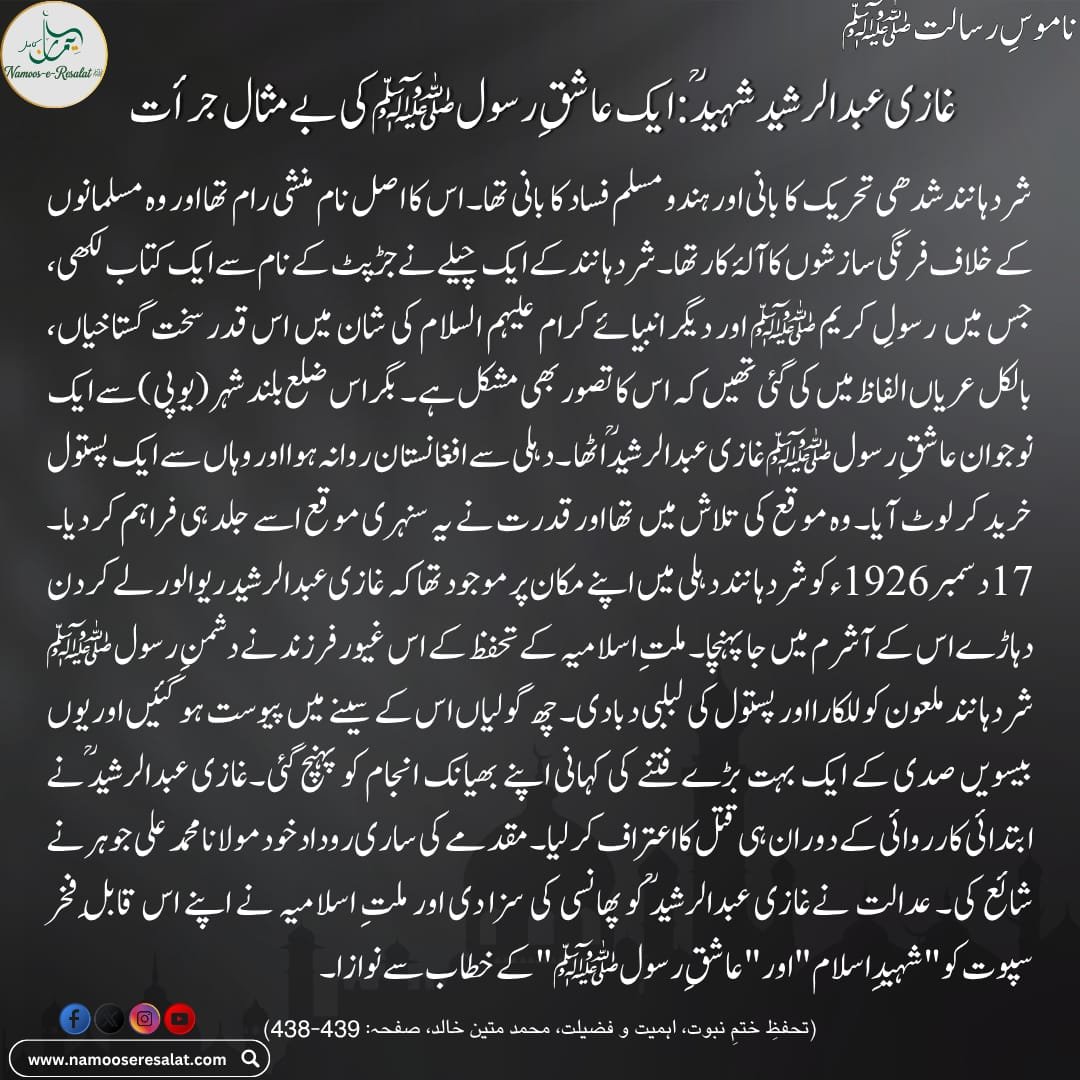
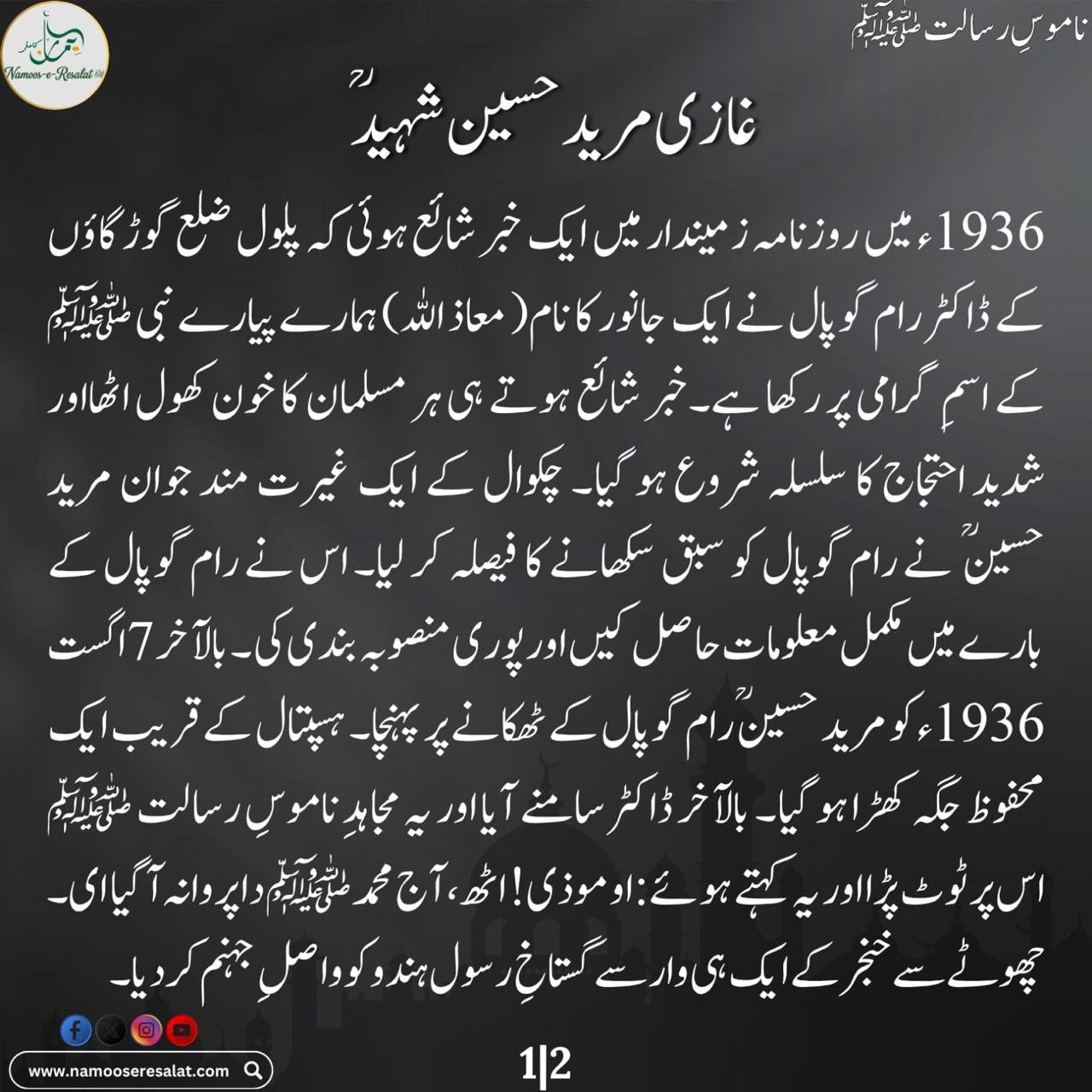
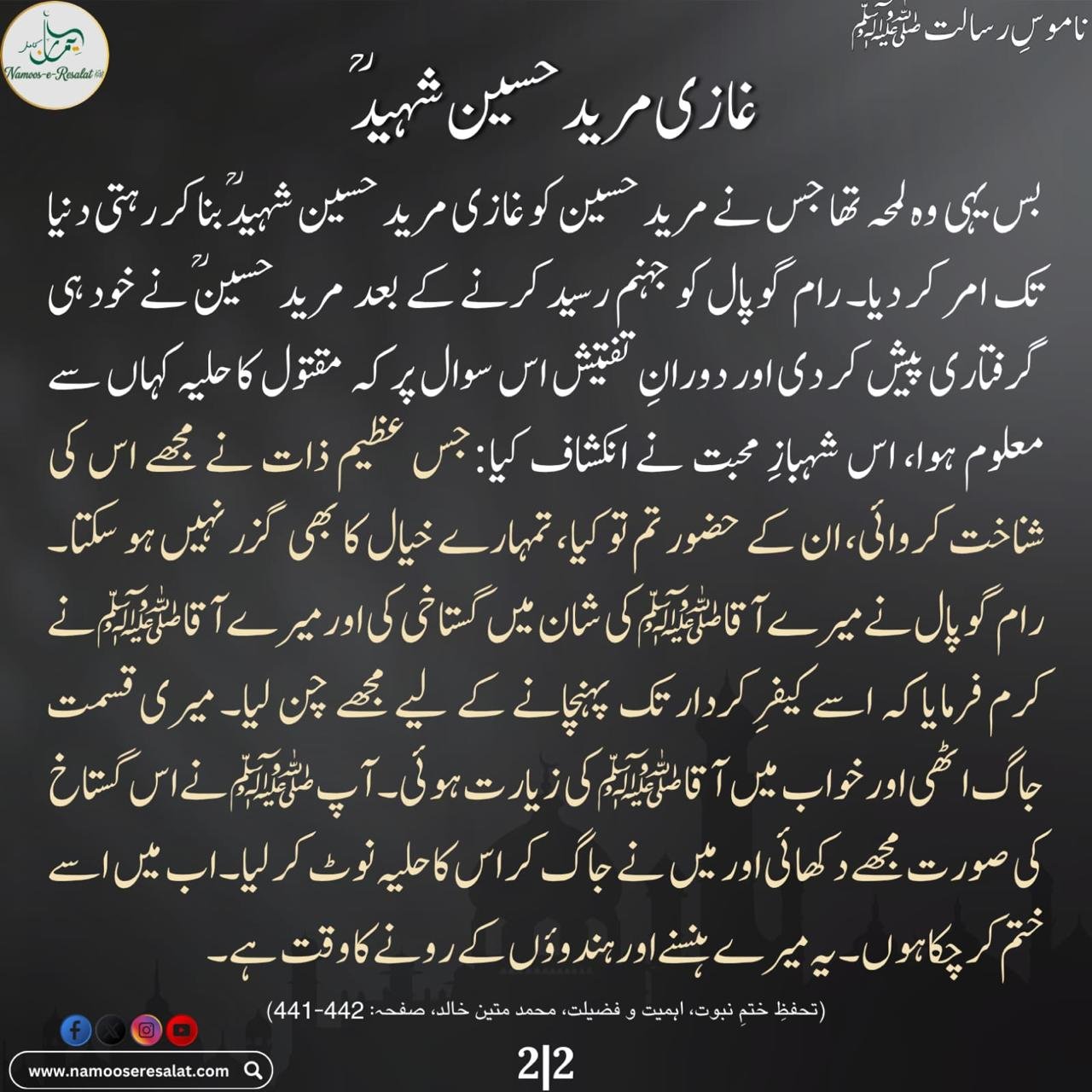
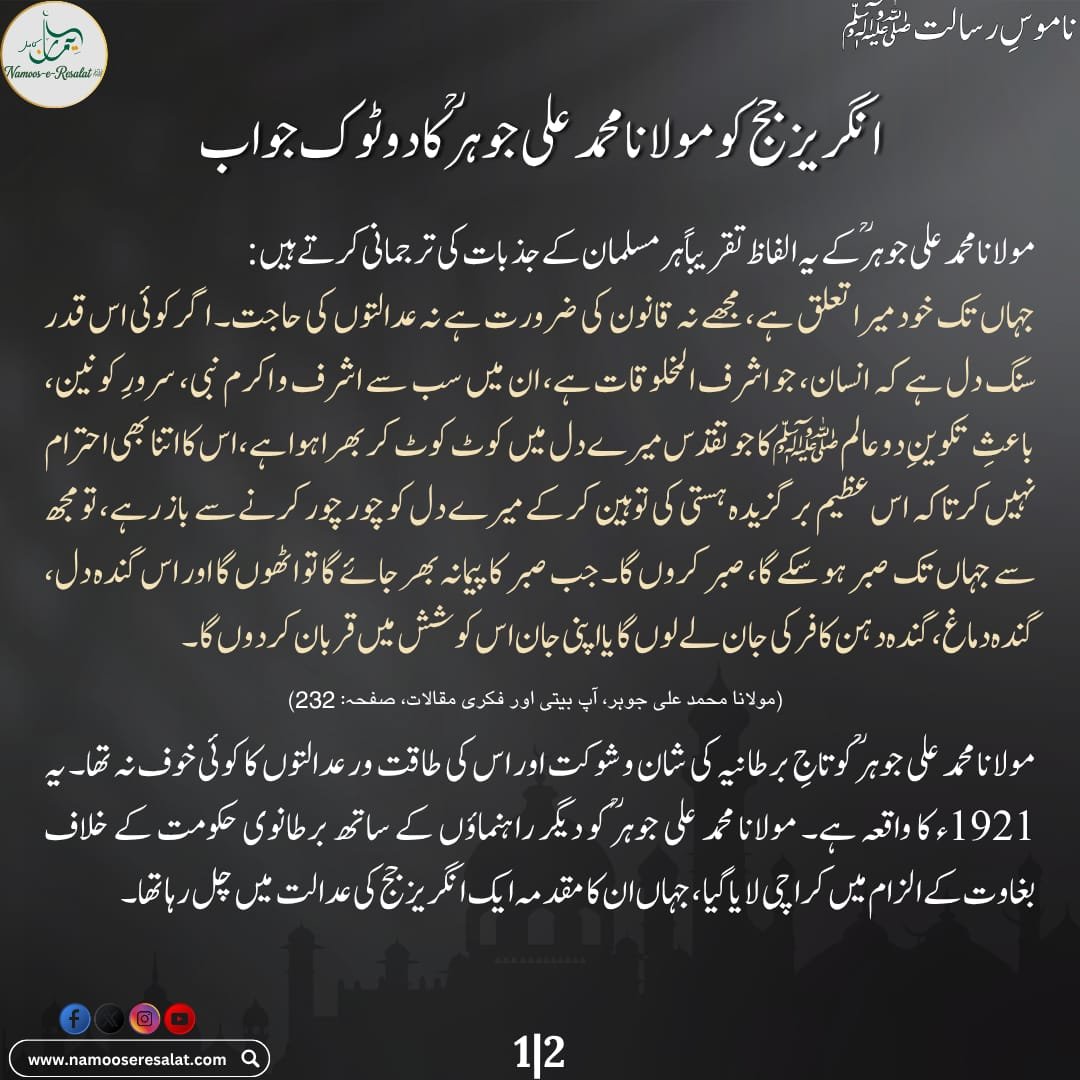
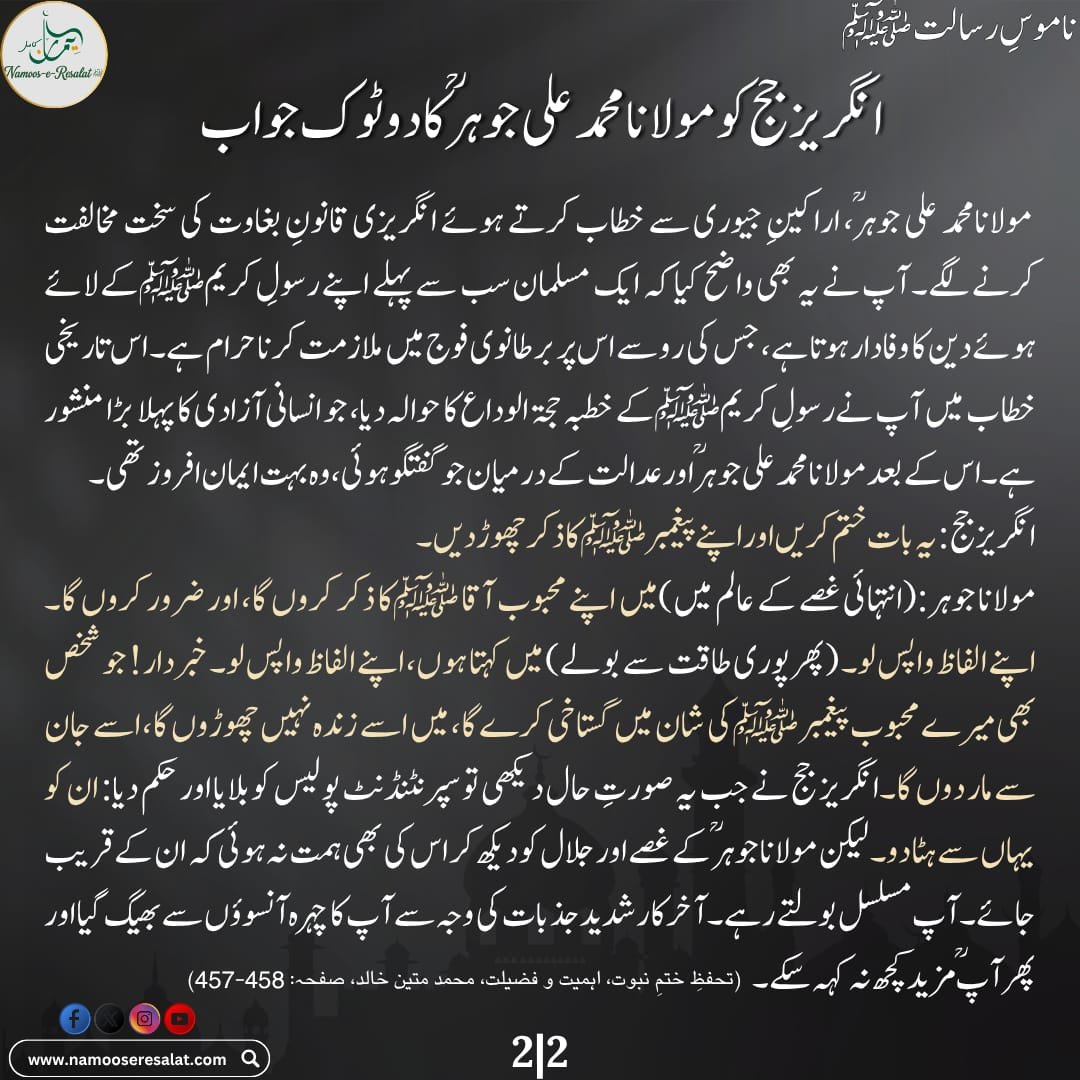
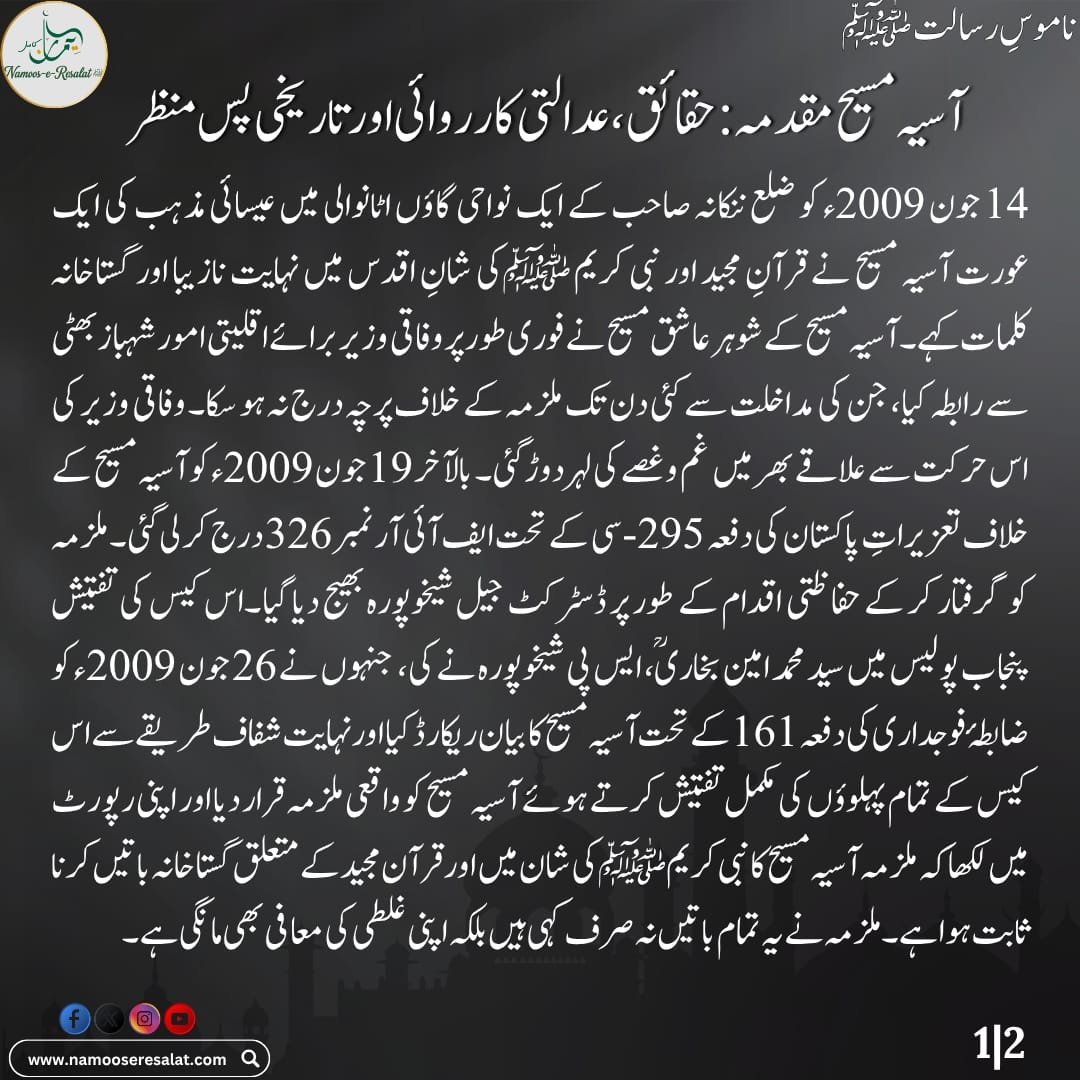
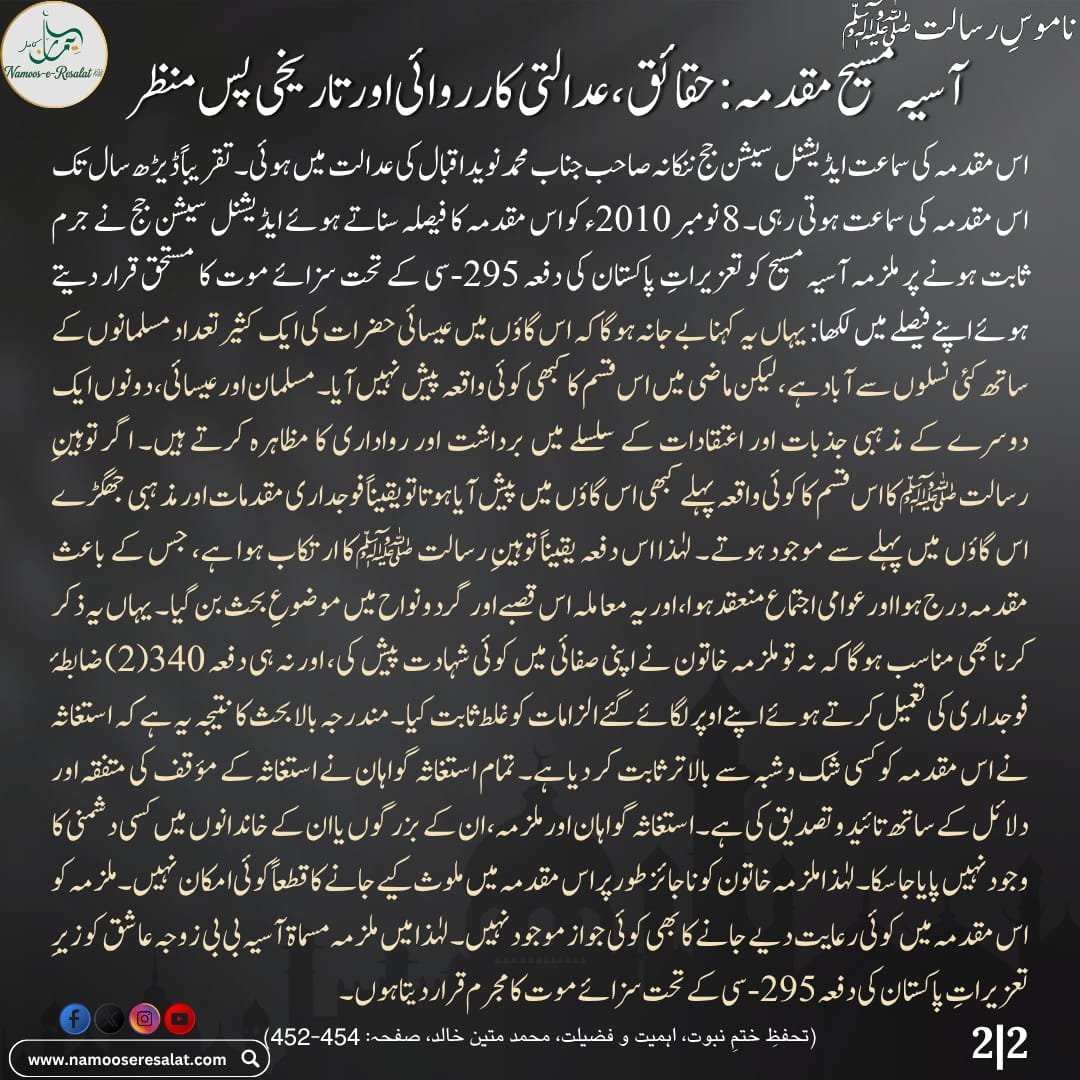
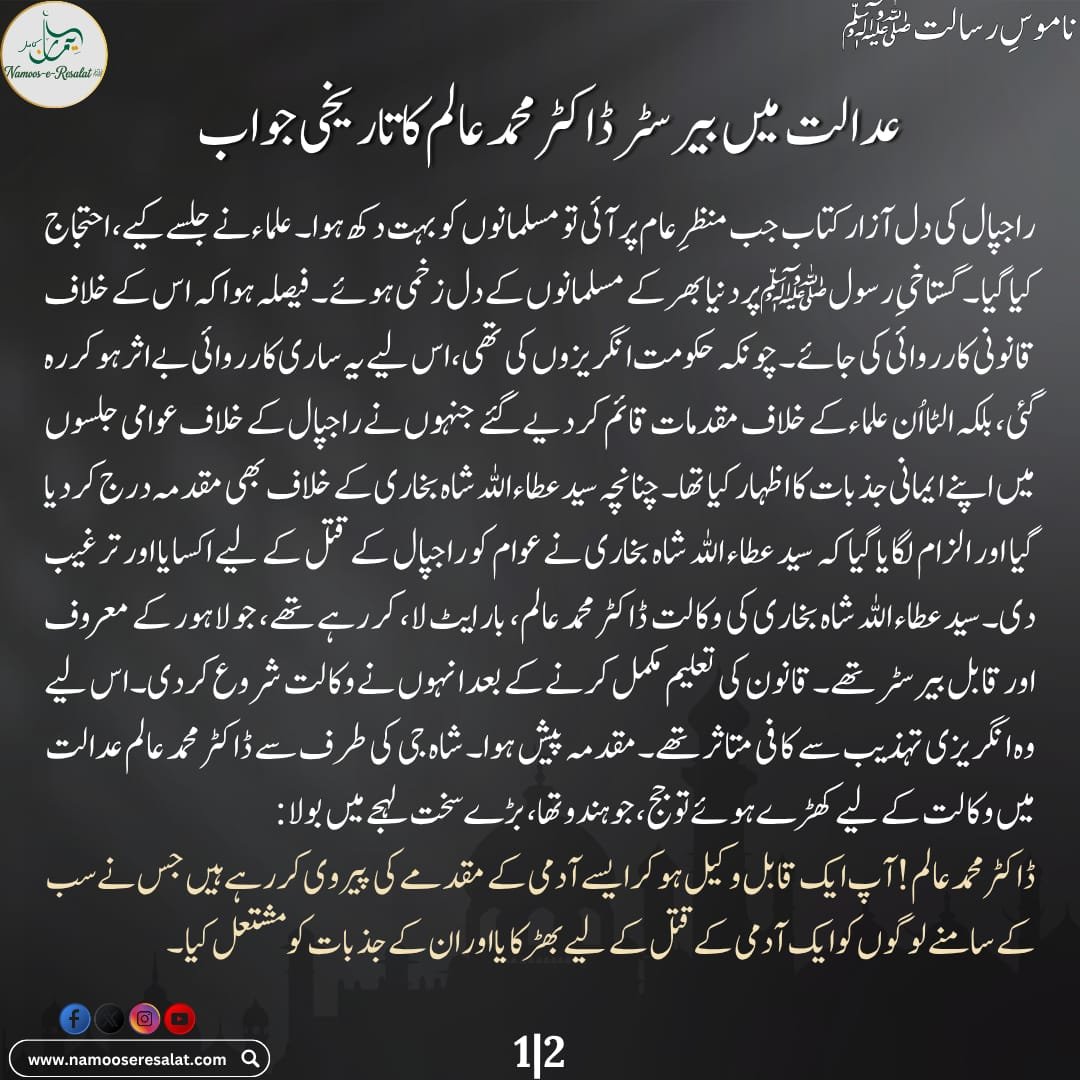
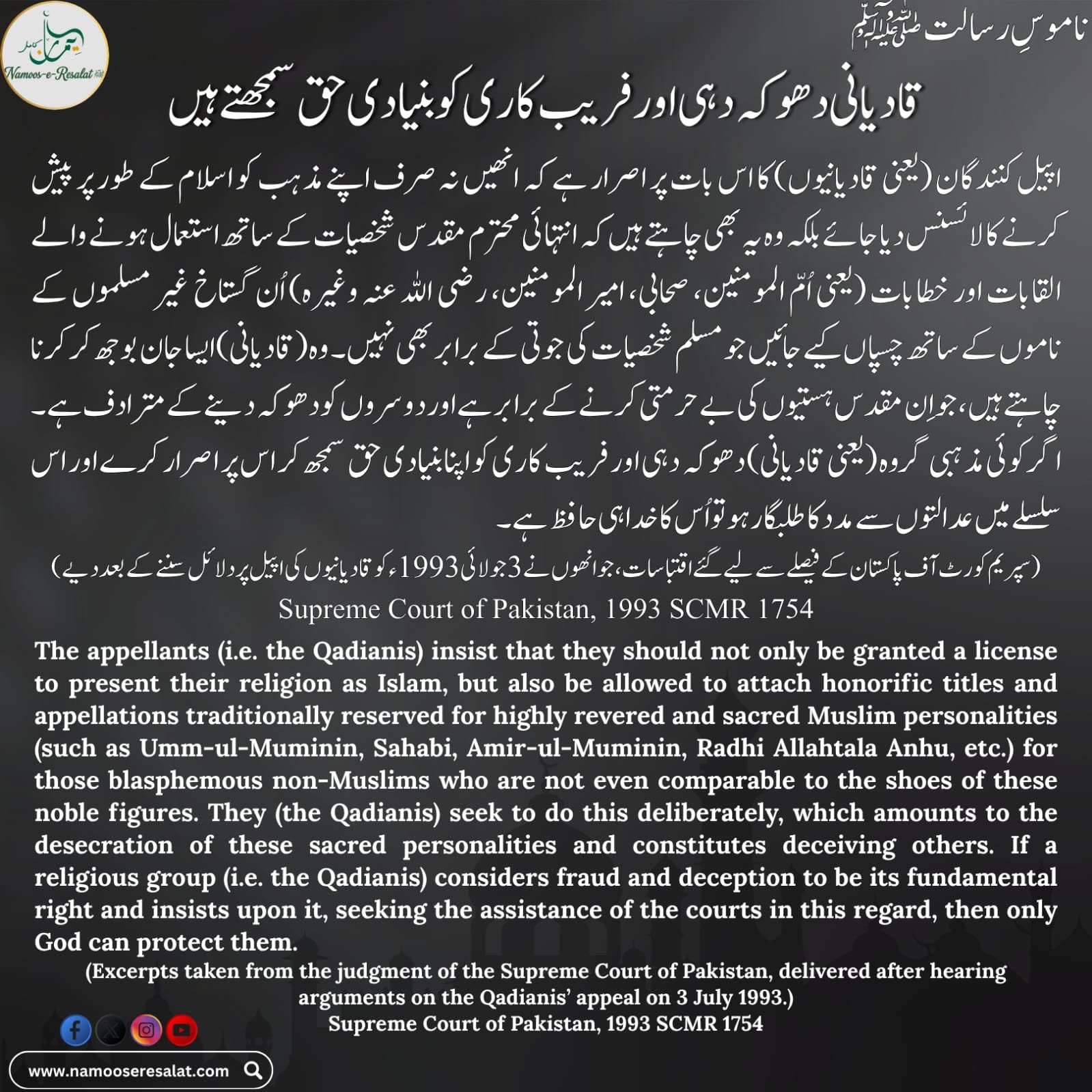
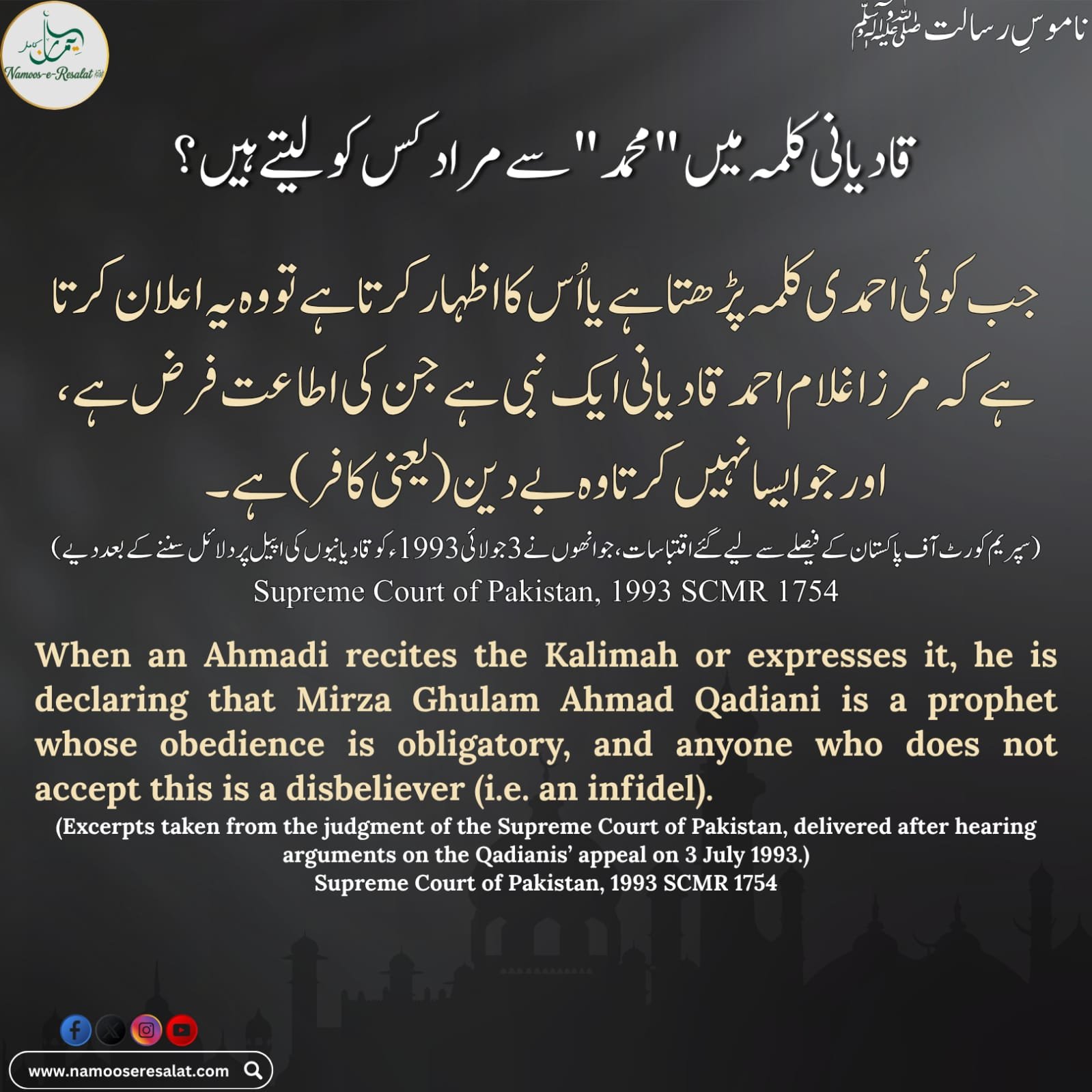
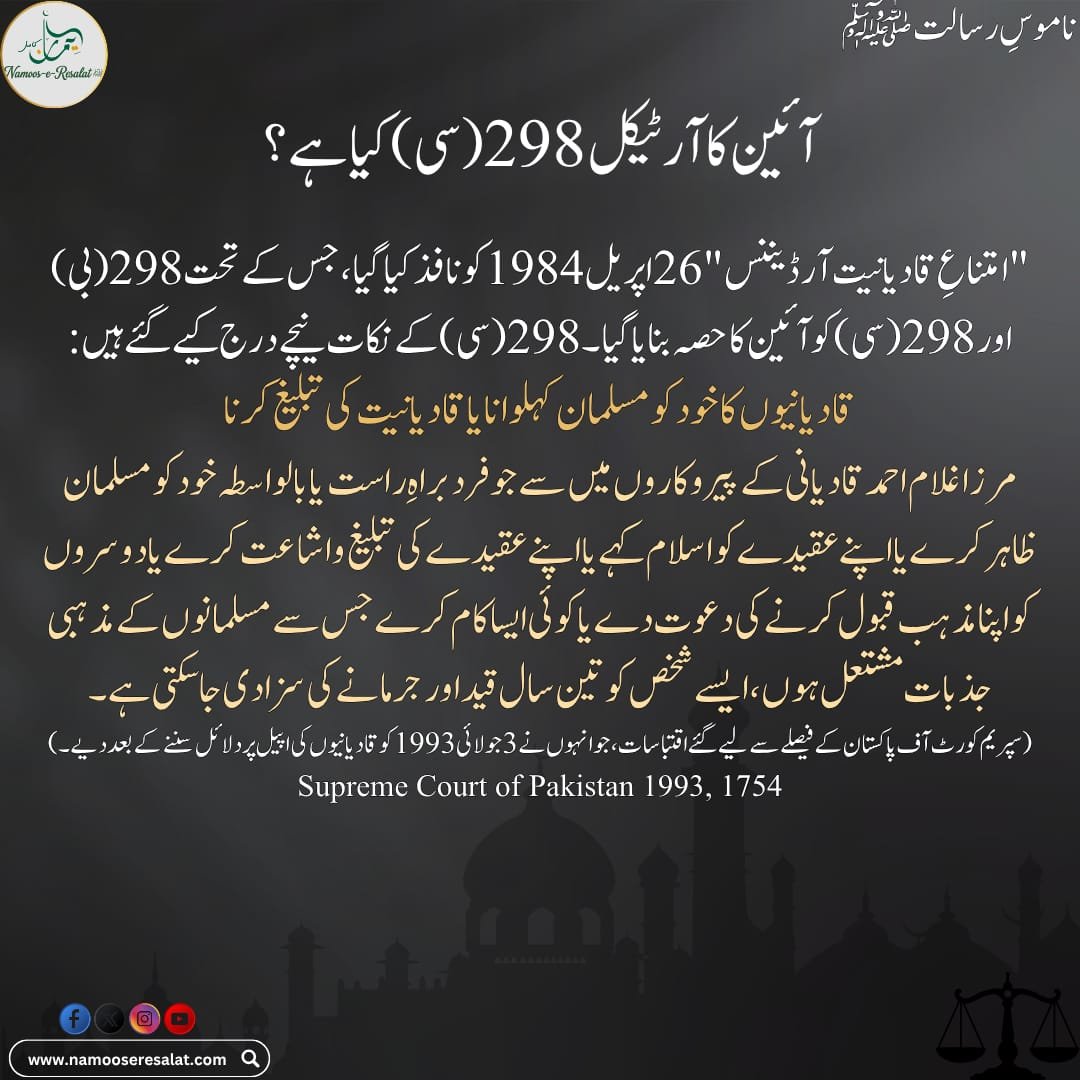
مذہب سے متعلق جرائم کے قوانین سب سے پہلے برطانوی حکمرانوں نے ۱۸۶۰ء میں برصغیرِ ہند میں باقاعدہ طور پر مدون کیے۔
ان قوانین میں درج ذیل افعال کو قابلِ سزا جرم قرار دیا گیا
مذہبی اجتماعات میں خلل ڈالنا
قبرستانوں کی حرمت پامال کرنا
مذہبی عقائد کی توہین کرنا
عبادت گاہوں یا مذہبی اشیاء کو جان بوجھ کر نقصان پہنچانا یا ناپاک کرنا
ان جرائم کی زیادہ سے زیادہ سزا ایک سال سے دس سال تک قید تھی، جو جرمانے کے ساتھ یا اس کے بغیر دی جا سکتی تھی۔
ء۱۹۲۷میں ان مذہبی قوانین میں مزید توسیع کی گئی اور ان کے دائرۂ کار کو وسیع کیا گیا۔
برصغیر کی تقسیم کے بعد ۱۹۴۷ء میں پاکستان کے قیام کے ساتھ ہی یہ تمام قوانین پاکستان نے بطور وراثت اپنے قانونی نظام میں برقرار رکھے۔
ء۱۹۸۰ میں ایک نئی شق کے تحت اسلامی شخصیات کے بارے میں توہین آمیز ریمارکس دینا قابلِ سزا جرم قرار دیا گیا۔
اس جرم کی زیادہ سے زیادہ سزا تین سال قید مقرر کی گئی۔
ء ۱۹۸۲میں ایک اور شق شامل کی گئی جس کے تحت قرآنِ مجید کی جان بوجھ کر بے حرمتی کرنے پر عمر قید کی سزا مقرر کی گئی۔
ء۱۹۸۶ میں پاکستان پینل کوڈ میں دفعہ ۲۹۵-سی شامل کی گئی۔
اس کے تحت حضرت محمد ﷺ کے بارے میں توہین آمیز الفاظ یا بیانات استعمال کرنا جرم قرار دیا گیا۔
اس جرم کی سزا “موت یا عمر قید” مقرر کی گئی۔
نیشنل کمیشن فار جسٹس اینڈ پیس کے مطابق ۱۹۸۷ء سے ۲۰۱۸ء تک درج مقدمات کی تفصیل درج ذیل ہے
مسلمان: سات سو چھہتر(۷۷۶)
قادیانی: پانچ سو پانچ(۵۰۵)
مسیحی: دو سو انتیس(۲۲۹)
ہندو: تیس(۳۰)
ان میں سے زیادہ تر مقدمات قرآنِ مجید کی بے حرمتی سے متعلق تھے، جبکہ نبی کریم ﷺ کی شان میں توہین کے مقدمات نسبتاً کم تھے۔
ء۱۹۹۱ میں وفاقی شرعی عدالت نے محمد اسماعیل قریشی کی درخواست پر فیصلہ دیتے ہوئے قرار دیا کہ
دفعہ ۲۹۵-سی میں موجود عمر قید کی متبادل سزا اسلامی احکام کے خلاف ہے۔
عدالت نے سفارش کی کہ تمام انبیاء کی توہین کی سزا بھی موت ہونی چاہیے۔
حکومت کو ہدایت دی گئی کہ وہ ۳۰ اپریل ۱۹۹۱ء تک دفعہ ۲۹۵-سی میں ترمیم کرے۔